
Last updated November 15, 2026
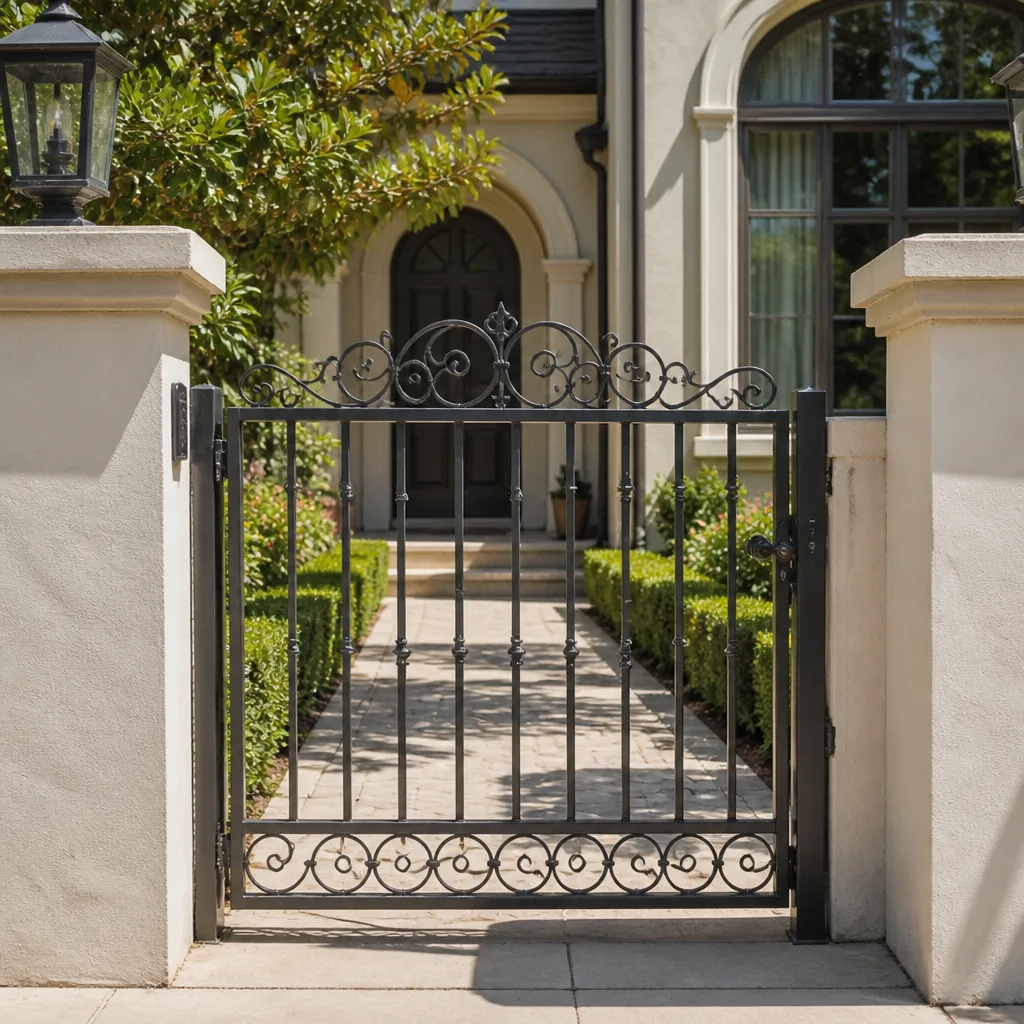 Wrought iron
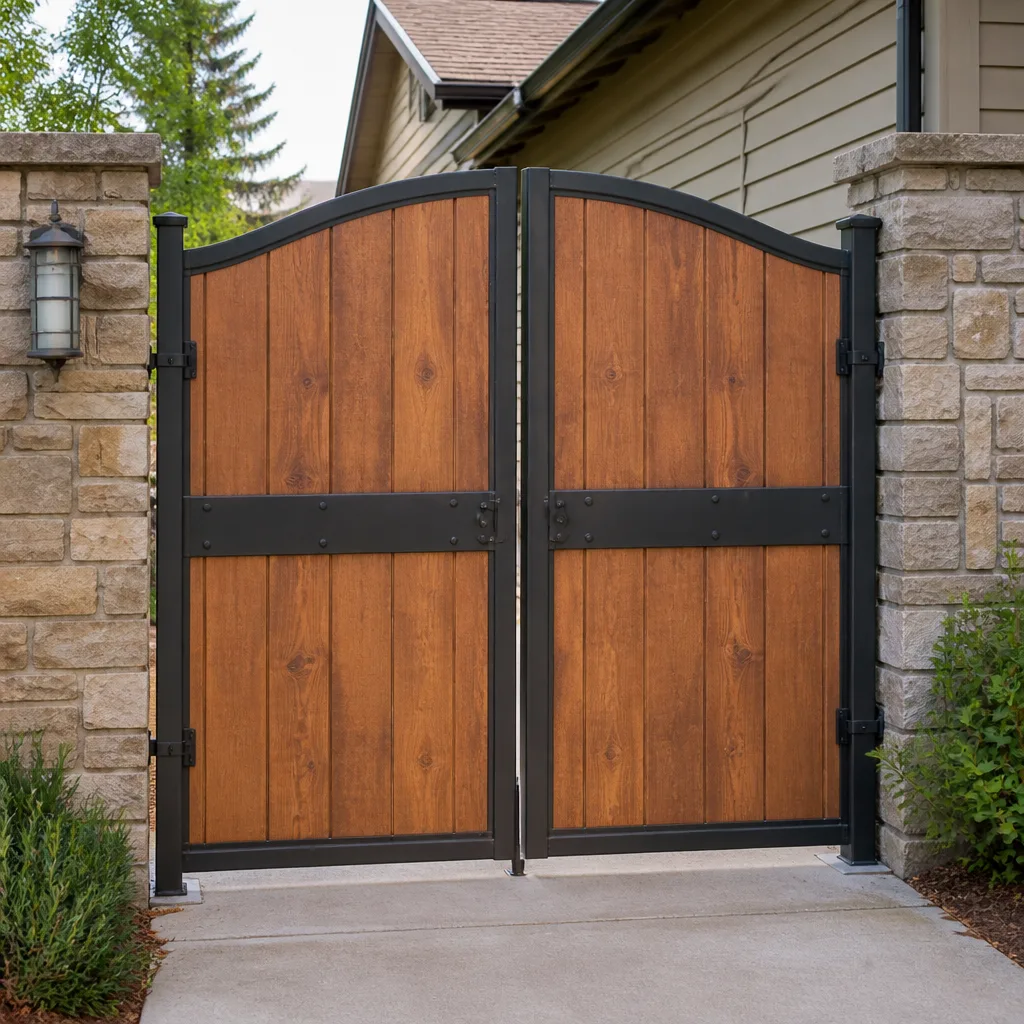 Wood & steel frame
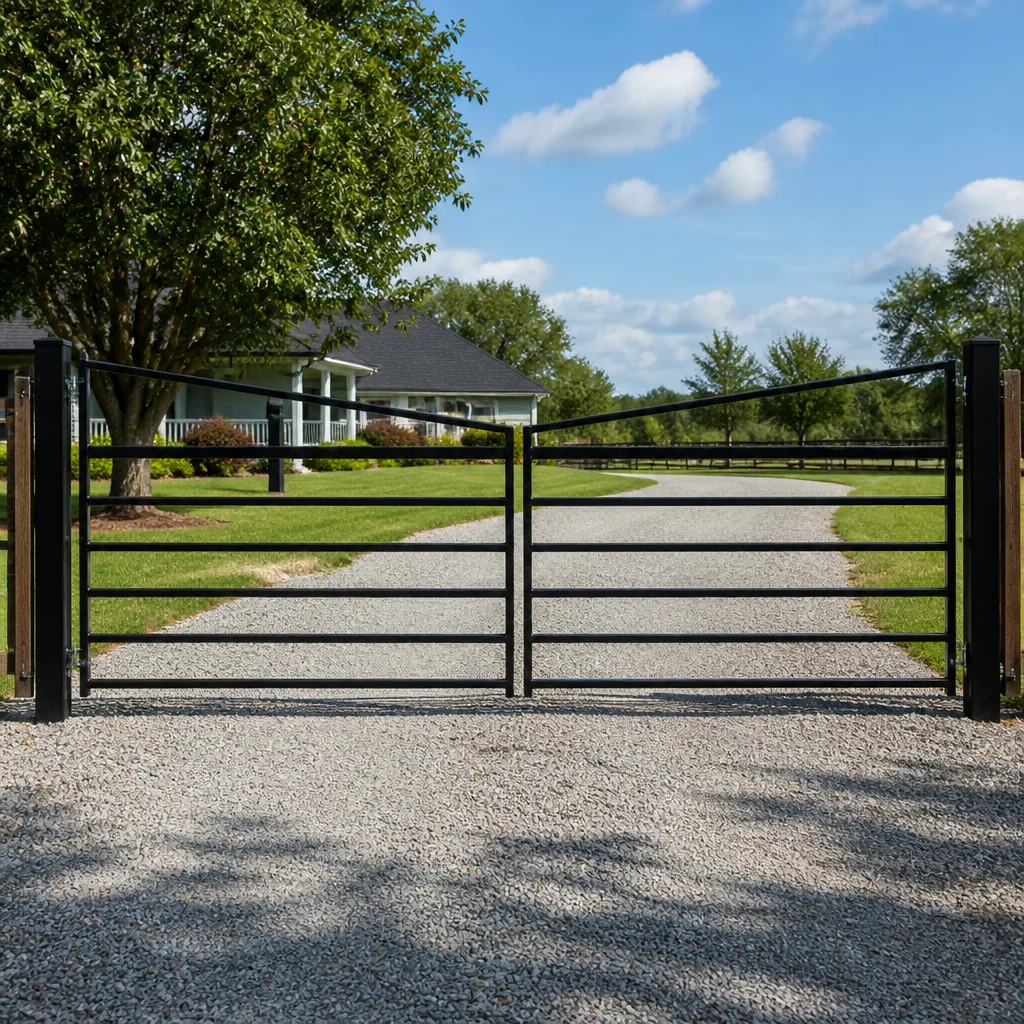 Farm & ranch
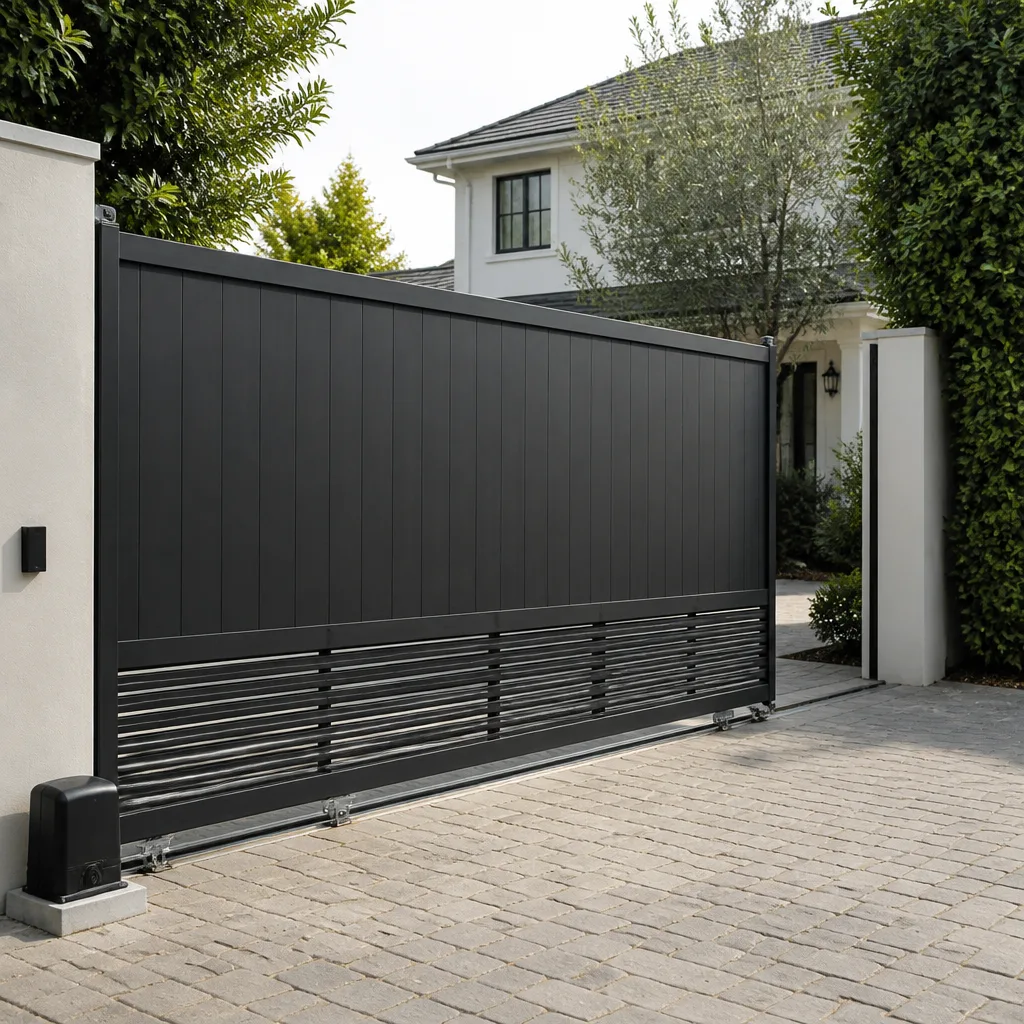 Sliding driveway gates
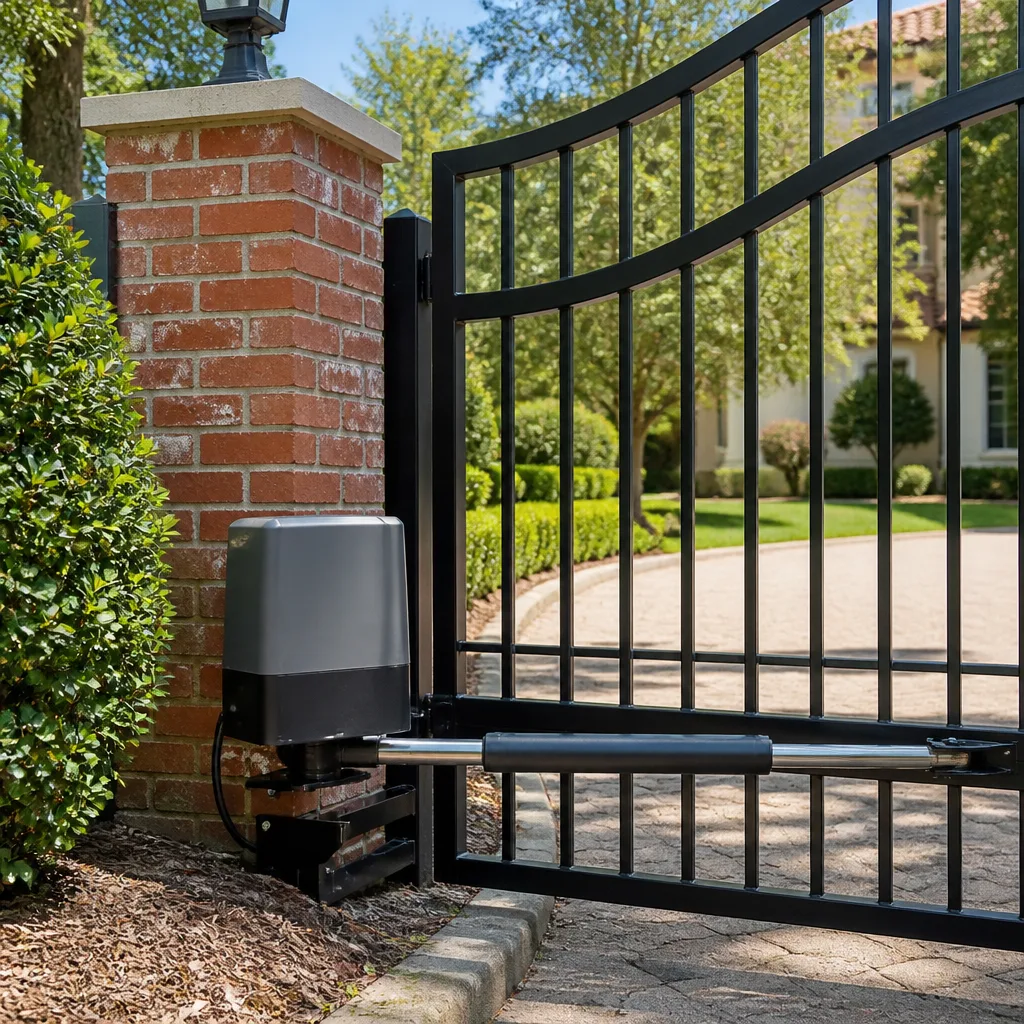 LiftMaster operators
Free on-site gate assessment - hinges, posts, and your LiftMaster or Nice gate operator checked before anything is quoted
The assessment is free and the quote is the invoice.
Get your free estimateGate Repair Cost Breakdown: The Vallejo Homeowner’s Reference for 2026
Gate repair quotes in Vallejo vary wildly for the same job. Ask three contractors what it costs to replace a failed control board and you may get three numbers that don’t look like they’re describing the same repair. The work doesn’t change that much between them. What changes is how the quote is built, and whether anyone bothered to itemize it. A part you can buy at a supplier for one price shows up on an invoice at a very different one, and the gap rarely reflects any extra skill. This reference gives you the real numbers: parts, labor, repair-versus-replace decisions, and the add-ons worth paying for. Read it and you’ll be hard to overbill.
Quick Answer
Gate repair in Vallejo typically runs from a modest charge for a single mechanical fix up to several hundred dollars for an electric or automated repair, with the final figure set per job by a written estimate. Most of the difference between a fair quote and an inflated one comes down to whether parts and labor are listed separately and whether the contractor diagnosed the gate before pricing it. Always get an itemized written estimate before any work starts.
Styles & brands we work with
- Wrought iron
- Wood & steel frame
- Farm & ranch
- Sliding driveway gates
- LiftMaster operators
Table of Contents
- Why Gate Repair Quotes Vary So Widely in Vallejo
- What Labor Actually Costs by Job Type
- Parts: Retail Price Versus Contractor Price
- Repair or Replace? Matching the Decision to the Component
- Common Repairs and Their Typical Cost Ranges
- Add-Ons Worth Paying For and Ones That Add Nothing
- How to Request a Quote That Forces Itemization
- What Makes a Vallejo Gate Job Different
Why Gate Repair Quotes Vary So Widely in Vallejo
Pricing in any trade has two layers. There’s what the job actually costs to do well, and there’s what the customer in front of you looks willing to sign. Contractors who price by the second layer produce invoices that don’t match the work. A homeowner who asks no questions gets one number. A homeowner who asks to see the parts on the estimate gets another.
This is why two quotes for the same gate repair can differ by a wide margin without either contractor doing anything unusual in the field. The repair is a hinge set, a track adjustment, a control board swap. The price is a business decision layered on top. When you understand component costs and labor time, the layers separate and you can see exactly what you’re paying for.
A few things drive the gap in the Vallejo market:
- Diagnosis depth. A contractor who pokes at the gate for two minutes and guesses at the cause will often price the wrong part, then bill the correct one as an “unexpected” addition. A proper diagnostic takes longer upfront and prices the real fix.
- Parts sourcing. A control board ordered from a distributor with a contractor account costs less than one pulled from a retail shelf, but the difference only reaches the customer if the invoice separates parts from labor.
- Bundled pricing. Quoting one lump sum hides markup. Itemization forces transparency.
- Brand familiarity. A technician who works on DoorKing and Elite systems routinely diagnoses faster than a generalist seeing that equipment for the first time. Lost time gets recovered somewhere on the invoice.
None of this means the cheapest quote is the honest one. A very low number can also hide a bait-and-switch, where the price grows once the gate is apart. The only reliable defense is a written, itemized estimate agreed before work starts. That’s the standard we hold ourselves to at Gate Repair Vallejo, and it’s the standard you should ask for from any company.
What Labor Actually Costs by Job Type
Labor on a gate job isn’t one rate. It breaks into distinct categories, each with its own time estimate and skill demand. Understanding the categories helps you read a quote and spot padding.
Diagnostic labor
Before anyone can repair an automated gate, someone has to find out why it stopped. That means checking the operator, the control board, the safety loop, the remotes and the access hardware. On electric gates this is real time on a meter and a schematic, not a visual glance. A diagnostic line on the estimate is normal and legitimate. What you want to avoid is a company that charges a diagnostic fee, then refuses to itemize what was found.
Mechanical repair labor
Hinges, rollers, track alignment, latches, post anchors and gate frame issues fall here. Mechanical work is straightforward to estimate and generally quicker than electrical troubleshooting. The labor reflects physical effort and the number of components involved, not the size of the gate.
Electrical and low-voltage labor
This is where the cost spread is widest. Automation work involves the operator motor, control boards, safety edges, photocells, loops and remote/receiver wiring. It takes longer, demands a technician comfortable with low-voltage diagnostics, and is the category general contractors most often avoid. If a quote shows more labor for an automated repair than a manual one, that’s usually legitimate. If it shows none, they may be replacing parts instead of diagnosing.
Welding and fabrication labor
Bent frames, broken mounting brackets and post failures sometimes need welding or custom fitting. This is skilled work and priced accordingly. Ask on the estimate whether a welding charge reflects repair of the existing structure or fabrication of a new piece, so you know what you’re paying for.
What a Vallejo quote should show
Whatever category applies, the written estimate should separate labor from parts and should state the total before work begins. If it’s one round number with no breakdown, you can’t evaluate it. A free estimate with clear line items is the baseline we work to, and it’s a fair thing to demand from anyone quoting your gate.
Parts: Retail Price Versus Contractor Price
This is the section that changes how you read invoices. A gate operator motor, control board, hinge set or receiver has a retail price and a contractor cost. Both are real. The difference between them is legitimate business margin, and there’s nothing wrong with a contractor making it. What’s not legitimate is stacking that margin silently inside a lump sum so the customer never sees the parts at all.
When you ask for itemization, here’s what you’re looking at on a typical parts line:
- Retail price is what the component sells for at a supplier or online. It’s the number you can look up yourself.
- Contractor cost is what a licensed trade account pays, often lower than retail.
- The invoiced price sits somewhere between the two plus a reasonable margin for sourcing, handling and warranty on the part.
You don’t need to know the exact contractor cost to protect yourself. You need to see that the parts are listed with a line price and that the markup is visible, not buried. A component that retails for one figure showing up invoiced at more than double is a red flag worth asking about. A modest margin above retail is normal.
Multi-brand fluency matters here too. We work on the brand you already have, whether that’s a Viking operator on an older gate or a DoorKing control system on a property that’s changed hands a few times. A contractor who only works one brand will push you toward a new system because they can’t source parts for the one installed. A brand-agnostic specialist buys the part the gate needs and prices it in the open.
Here’s the request that sets the tone: “Please list the part number, the part price, and the labor separately on the written estimate.” Any contractor who won’t do that is telling you something about how the invoice will look after the work.
Repair or Replace? Matching the Decision to the Component
The repair-versus-replace question is where a lot of money gets spent unnecessarily, and also where holding on to a failing part costs more over time than replacing it. The right answer depends on the component. Here’s how to think through each of the major systems.
The opener or operator motor
A motor that fails intermittently, runs hot, or hesitates may have a control board or wiring problem rather than a dead motor. Diagnose before replacing. If the motor itself is failing and the rest of the system is sound, replacing just the operator usually makes more sense than a full new system. If the gate is manual and struggling, an operator upgrade is a real project, not a repair.
The hinge set
Hinges wear and sag over time. Replacing a hinge set is far cheaper than replacing a gate and restores the swing, the latch and the alignment. When the frame itself is bent or the post is shifting, hinges alone won’t hold, and the post anchor or frame becomes the real fix.
The control board
This is the component that fails most often on automated gates after a power event or a wiring fault. Replacement is usually the right call when the board is dead. Repair is occasional. Ask whether the quote is for a new board, a repaired one, or a board plus a wiring fault that caused the failure in the first place. Replacing the board without finding the fault will just burn the new board.
Post anchors and the gate frame
A gate that drags, leans or won’t latch often has a post problem. Repairing the anchor or resetting the post is a targeted job. If the post or frame is beyond repair, replacement of that component is the honest answer. Get a written diagnosis before agreeing, because “the whole gate needs replacing” is sometimes the expensive path to a repair that wasn’t reset.
We’ve seen all of these decisions on Vallejo gates. The principle holds across every one: diagnose first, then let the condition of the component decide, not the size of the invoice it generates. That’s the gate repair standard, and where the problem is electrical, it’s electric gate repair territory where a specialist’s diagnostic saves you the guesswork.
Common Repairs and Their Typical Cost Ranges
These are typical estimated ranges for gate repairs in the Vallejo area, given as a guide to what to budget rather than a fixed price. Every job is priced individually once the gate has been looked at, and the written estimate sets the final number. Treat the low end as the simple version of a repair and the high end as the version with more parts, access issues or electrical troubleshooting.
| Repair | Typical Estimated Range | What Drives the Price |
|---|---|---|
| Diagnostic visit (electric gate) | Low to moderate | Time to trace operator, board, loop and wiring |
| Hinge or roller replacement | Entry level | Number of hinges, frame condition |
| Latch or alignment adjustment | Entry level | Whether a post issue is underneath |
| Control board replacement | Moderate | Board cost plus fault diagnosis |
| Safety loop or photocell repair | Moderate | Access to the run, wiring condition |
| Remote or receiver replacement | Low to moderate | Number of remotes, system type |
| Post anchor repair or reset | Moderate | Post depth, concrete condition, gate weight |
| Operator motor replacement | Higher | Operator make, capacity, reprogramming |
| Welding or frame repair | Moderate to higher | Extent of damage, fabrication needed |
Notice that none of these come with a surcharge for speed or a premium for same-day work. A fair price for a repair is a fair price whenever it’s done. What matters is that the range matches the component and the labor, and that you see it itemized before you agree to it.
Electric gates are the category that most often surprises homeowners, because the parts and the time both climb. An operator that won’t open isn’t one failure; it’s a handful of possible ones, and the repair depends on which. That’s why an on-site diagnosis beats a phone estimate for anything automated.
Add-Ons Worth Paying For and Ones That Add Nothing
Add-ons are where a lot of invoice creep happens. Some genuinely improve the gate and the safety of the system. Others add a line item and nothing else. Here’s how to separate them.
Add-ons that add real value
- Safety edges and photocells. On an automated gate, these stop the gate on contact or obstruction. They’re not optional extras on a gate people walk through. If your system lacks them, adding them is a functional improvement, not an upsell.
- A proper access control upgrade. Keypads, intercom, loop detectors and entry hardware that matches the way the property is actually used. Worth it if the current system fails or is being bypassed.
- Battery backup for the operator. Keeps the gate working through a power interruption so it can be opened and closed safely. Practical on gates that are the only vehicle access.
- Replacing a worn hinge set or roller at the same time as another repair. Cheaper than a second visit and prevents a return trip.
Add-ons that add no functional value
- A “full system tune-up” bundled onto a single faulty component. If one hinge is broken, fixing the other seven may be legitimate, but it should be priced line by line and justified, not lumped in.
- New remotes when the receiver is the actual problem. A receiver fault makes every remote look dead. Diagnose first.
- An operator replacement when the board is the fault. You’d be paying for a motor you don’t need.
- Access control hardware beyond what the property uses. A commercial-grade intercom on a residential driveway gate is a price increase, not a solution.
The test is simple: ask what specifically fails without this add-on. If the answer is functional, it’s a real improvement. If it’s vague, it’s a line item. We price every one of these transparently because the point of the estimate is to show you the job, not to wrap it in a bundle.
How to Request a Quote That Forces Itemization
You can’t control what a contractor quotes, but you can control what you ask for. A well-worded request for quote makes bait-and-switch pricing much harder and gives you a document you can compare across companies. Use this as a numbered script when you call or email.
- Ask for a written estimate before any work. State plainly that no work begins until you have the written figure in hand.
- Require parts and labor on separate lines. Ask for the part number, the part price and the labor time separately.
- Ask for the diagnosis to be listed. What failed, and why. This is what stops “we found additional problems” from becoming a surprise charge.
- Ask what’s included and what isn’t. Haul-away, reprogramming, testing, and any follow-up should be named.
- Ask whether the quote is fixed or an estimate. A firm quote is one figure. An estimate is a range with a maximum. Know which you’re getting.
- Confirm the brand experience. Ask whether they work on the system you have. On a Viking, Ghost Controls or Elite operator, that question saves time and money.
A company confident in its diagnostic will answer all six without hesitation. A company pricing by the customer’s expression will get vague around item three. That vagueness is your signal.
What a good estimate looks like
It has a date, an address, the name of the gate system, a one- or two-line diagnosis, a parts line with the part priced, a labor line with hours or a flat job price, and a total. It states whether the total is fixed or an estimate, and it says the price is agreed before work starts. If any of those are missing, ask for them, and if they still don’t appear, get another quote.
What Makes a Vallejo Gate Job Different
Vallejo sits on the edge of the bay with mild winters and long dry spells, and both leave marks on gate systems. Winter rains, even a mild season, move soil and can shift a post over time, which is why a gate that dragged one spring suddenly won’t latch by the next. Dry summers and dust find their way into hinges, rollers and tracks, and that grit wears metal faster than most homeowners expect. The result is a maintenance rhythm a little different from colder regions: check post and anchor integrity after the rainy stretch, clear and lubricate the mechanical parts before the dry season, and look at the safety system on any automated gate at both ends of the year.
The housing stock plays a role too. Vallejo neighborhoods mix older properties with established gates and newer builds with automated systems, often on slopes and hedgerows where the gate is the only vehicle access. That matters for repair decisions: a gate that’s the only way in and out of a driveway has a real access consideration, which is why a stalled operator should be diagnosed promptly rather than left half-fixed. Properties near the waterfront and downtown tend to have tighter driveways and heavier swing or slide gates, which put more load on the operator over time.
On the code side, automated gates in California are subject to safety standards for entrapment protection, and local permit rules for new or substantially rebuilt gates vary. We don’t guess at what applies to your property: ask your city’s building department about permits, and have any new installation measured and rated for the gate it’s moving. A gate specialist will build safety compliance into the design, and that’s part of why an automated gate is a measured job, not a same-day one.
If you’re choosing a company in Vallejo, the checklist above is your filter. Bring the same questions to every quote and the spread narrows fast.
Common Mistakes to Avoid
- Accepting a single lump-sum price. A round number with no parts or labor breakdown can’t be evaluated and often hides markup. Ask for the itemized version before you commit.
- Paying for a diagnosis and not getting the findings written down. If you paid for someone to test the operator and control board, you should have a written diagnosis in hand. It’s the most valuable thing you’ll get out of the visit.
- Replacing the operator when the board is the fault. On electric gates, a dead motor is often a board or wiring failure. Diagnose before you authorize a motor replacement.
- Ignoring a sagging or dragging gate until the frame bends. A hinge or anchor problem caught early is a small repair. Left alone in Vallejo’s winter ground movement, it becomes frame work.
- Calling a general handyman for an automated system. General contractors often won’t touch low-voltage gate repairs. You save a call by going straight to a specialist who works on operators and control boards.
- Buying an unfamiliar operator brand at a discount with no support. A cheap operator that no local technician can diagnose ends up costing more than a supported system with accessible parts.
- Forgetting the safety equipment. A repaired automated gate without working safety edges and photocells is still a safety problem. Confirm the safety system was tested, not just the motor.
See the difference
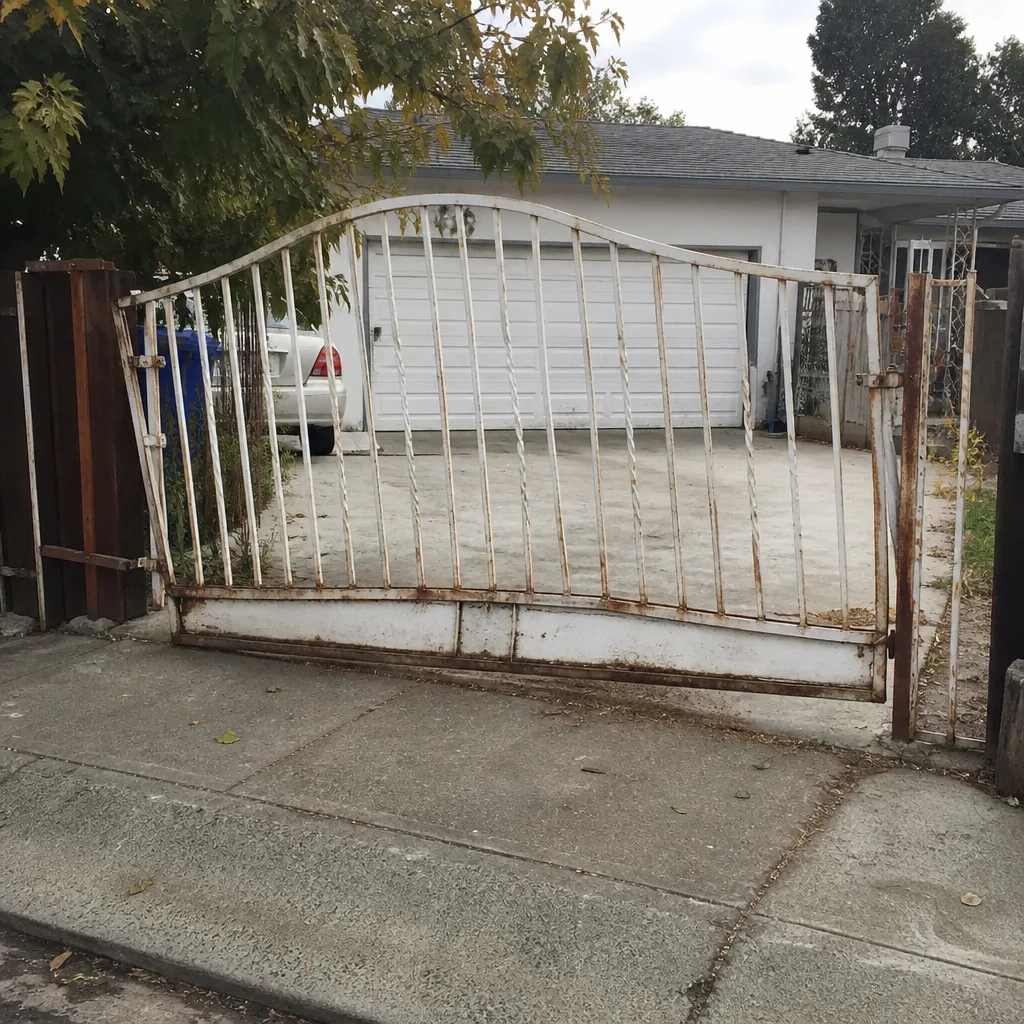
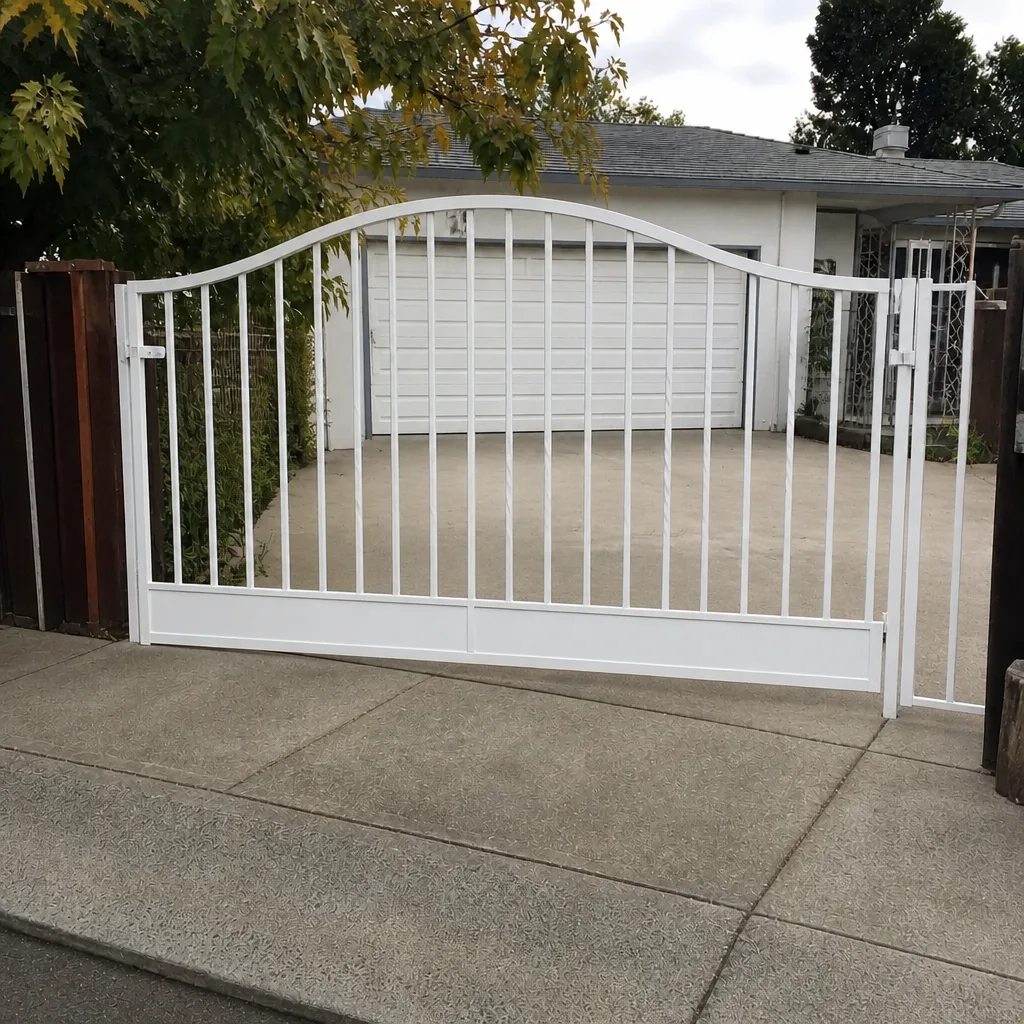
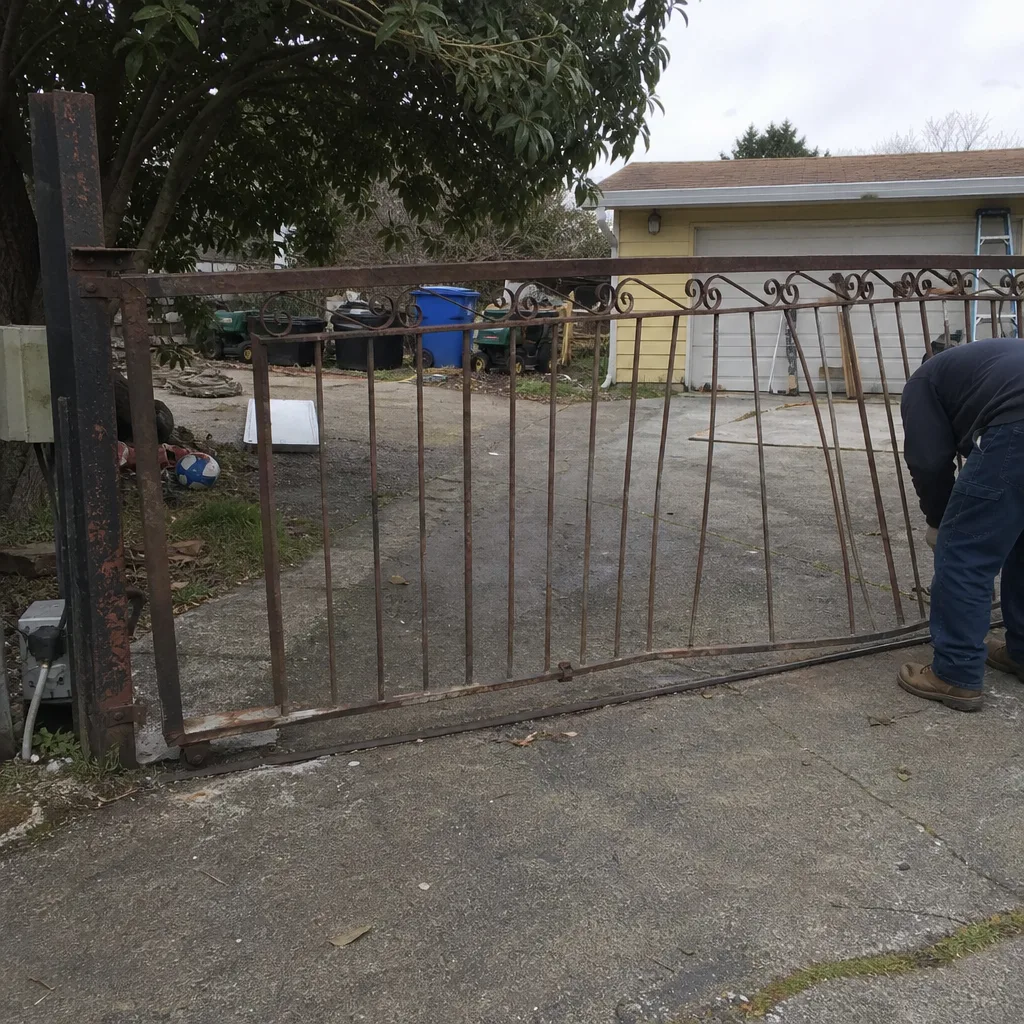 Before
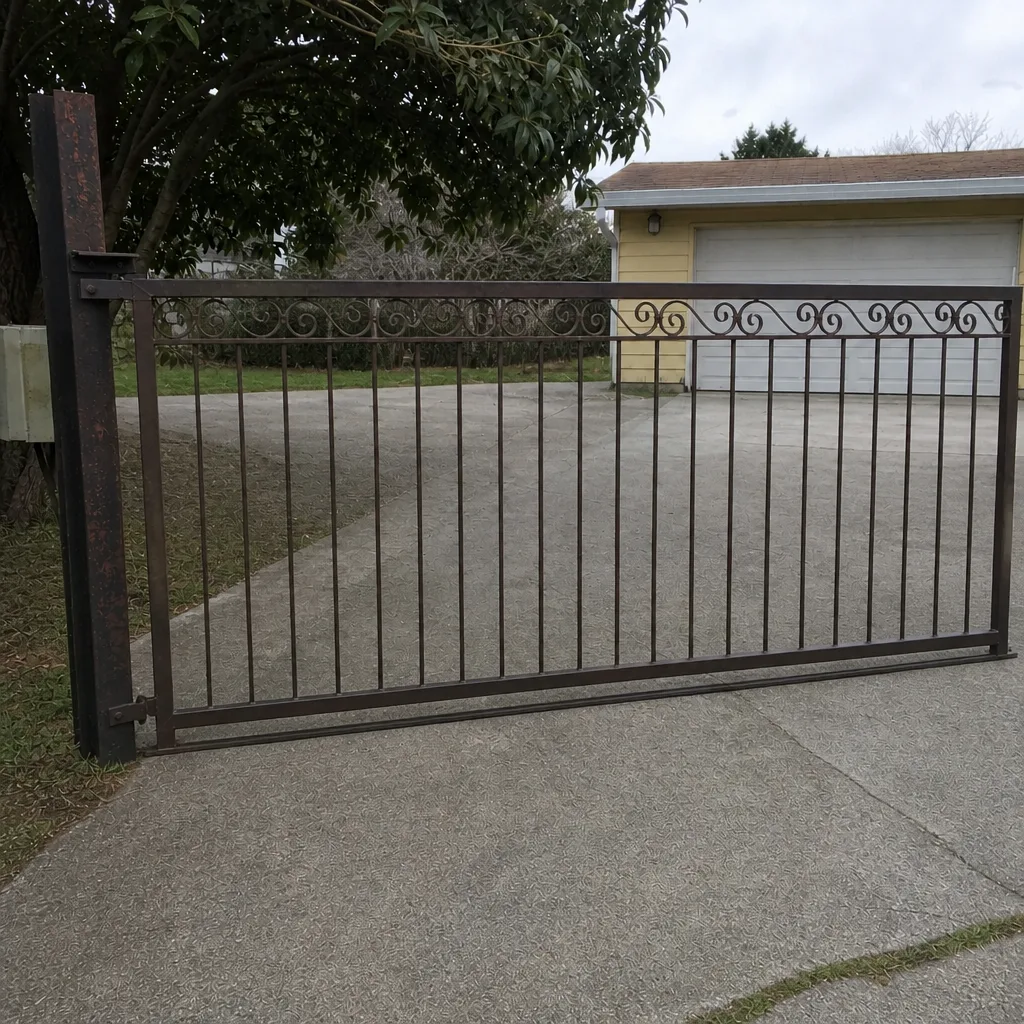 After
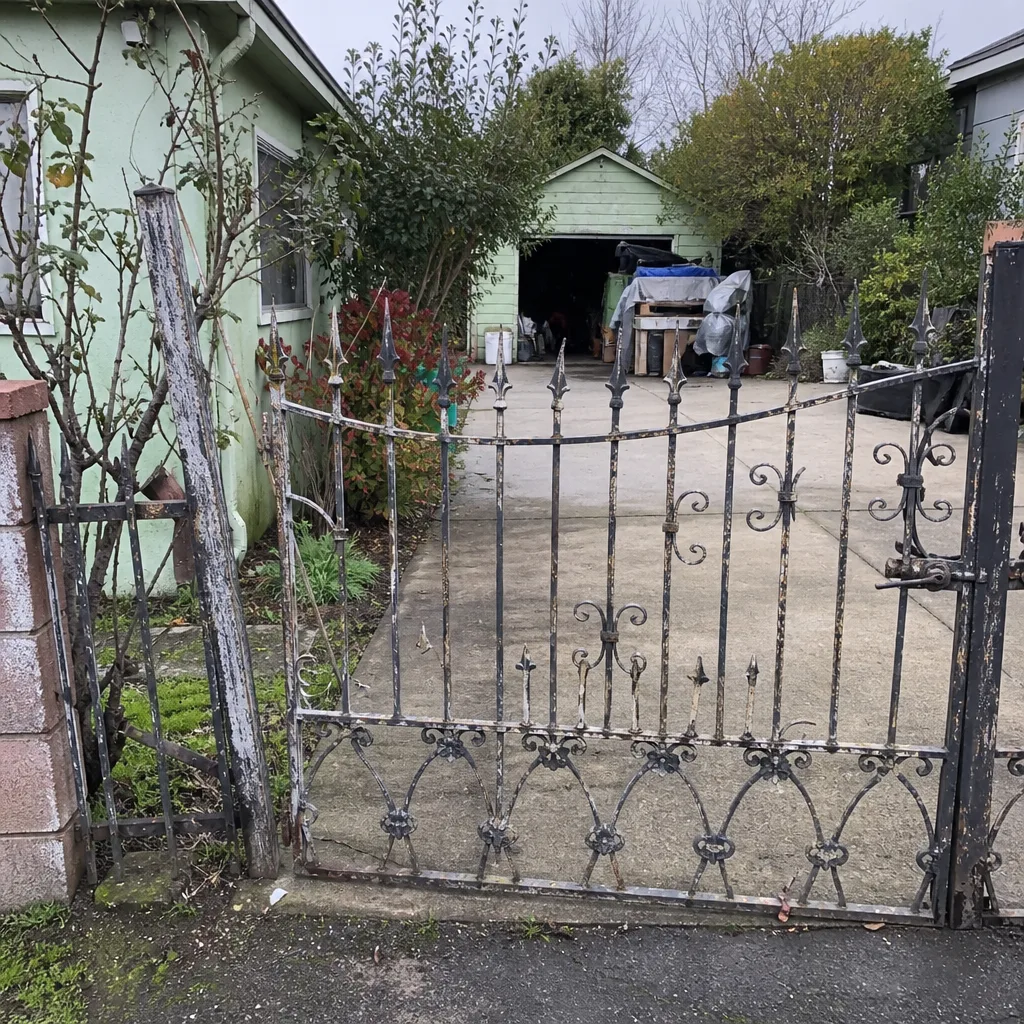 Before
 After
 Before
 After
When to Call a Professional
Some gate problems are genuinely dangerous to handle yourself. The operator and control board carry mains and low-voltage wiring, and even with the breaker off, a gate with a heavy swing or slide panel can crush a hand or a limb if it moves unexpectedly. A slide gate off its track is a panel that can fall. If you’re unsure what’s wrong or the gate is automated, that’s a call for a trained technician, not a weekend project.
Call a professional when the gate won’t open or close reliably, when the operator runs but the gate doesn’t move, when the remote works intermittently or not at all, when you hear grinding, clicking or a motor that runs hot, when the gate drags, leans or won’t latch, when the safety edges or photocells aren’t responding, or when you’re planning an upgrade or new installation. Gate Repair Vallejo offers free estimates in Vallejo – call (877) 315-2991. We answer 24/7. Fast dispatch from 7am to 7pm, Sunday through Friday.
Frequently Asked Questions
Most gate repairs in Vallejo fall within a typical estimated range that depends on the component and whether the work is mechanical or electrical, with the final figure set per job by a written estimate. A hinge or latch repair sits at the lower end; an operator motor or control board repair sits higher because of parts and diagnostic time. Always ask for the itemized estimate before work starts. Call (877) 315-2991 for an exact quote – estimates are free.
Same-day service is often possible for gate repairs, and we dispatch Sunday through Friday, 7am to 7pm. Call and we’ll confirm the earliest opening for your gate. For a full installation, operator upgrade or access control project, expect a scheduled visit instead, because that work is measured and ordered. Call (877) 315-2991 to book – estimates are free.
Electric gate quotes include parts, low-voltage diagnostic labor and sometimes safety component replacement, so two quotes for the “same” symptom can differ if one contractor priced the actual fault and the other priced a guess. The control board, safety loop and wiring are common cost drivers. Ask each company to itemize the parts and labor and to state the diagnosis in writing. Call (877) 315-2991 for a free estimate you can compare.
We service a range of major gate and operator brands, including LiftMaster, FAAC, BFT, Linear, Viking, Ghost Controls, DoorKing, Elite and Mighty Mule, so we work on the system already installed rather than pushing a replacement. Brand-agnostic diagnostics mean the fix is chosen for the gate’s condition, not for what’s easiest to sell. Call (877) 315-2991 to confirm your system – estimates are free.
Repair is usually cheaper on a sound system where a single component has failed. Replacing a hinge set, control board, safety component or post anchor restores function at a fraction of a new installation. Replacement makes more sense when the frame or post is beyond repair, the operator is undersized for the gate, or repeated repairs on the same system add up. A diagnosis decides it. Call (877) 315-2991 for a free estimate.
Ask for a written, itemized estimate before any work, with parts and labor listed separately and the diagnosis written down. Confirm whether the quote is fixed or an estimate, what’s included, and whether the company works on your brand. These questions make bait-and-switch pricing nearly impossible. Call (877) 315-2991 and we’ll walk you through the estimate – it’s free.
The Bottom Line
The price of a gate repair in Vallejo is set by the component and the labor, not by what a contractor thinks you’ll accept. Understand the parts, understand the labor categories, and ask for an itemized written estimate before work starts, and the inflated quote has nowhere to hide. Repair versus replace comes down to diagnosis. Add-ons are worth paying for only when they change the function of the gate. Keep the safety system tested, treat the post and anchors as the foundation they are, and match the fix to the condition of the gate. That’s how you get a fair number every time.
When you’re ready for an estimate on your gate, call (877) 315-2991 for a free estimate. We answer 24/7. Fast dispatch from 7am to 7pm, Sunday through Friday. Gate specialists, not generalists – from worn hinges to failed control boards, one call covers the full repair.
Written by the team at Gate Repair Vallejo.