
Last updated November 15, 2026
 Wrought iron
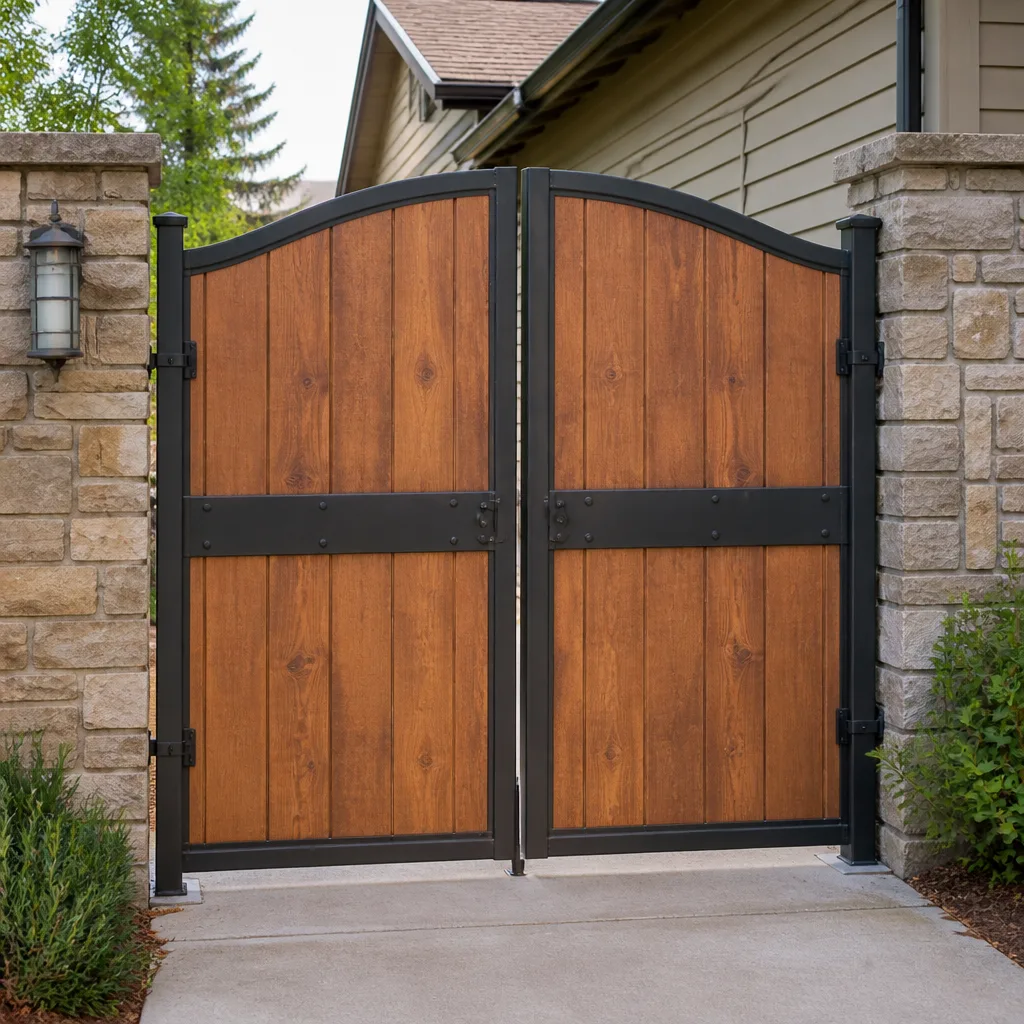 Wood & steel frame
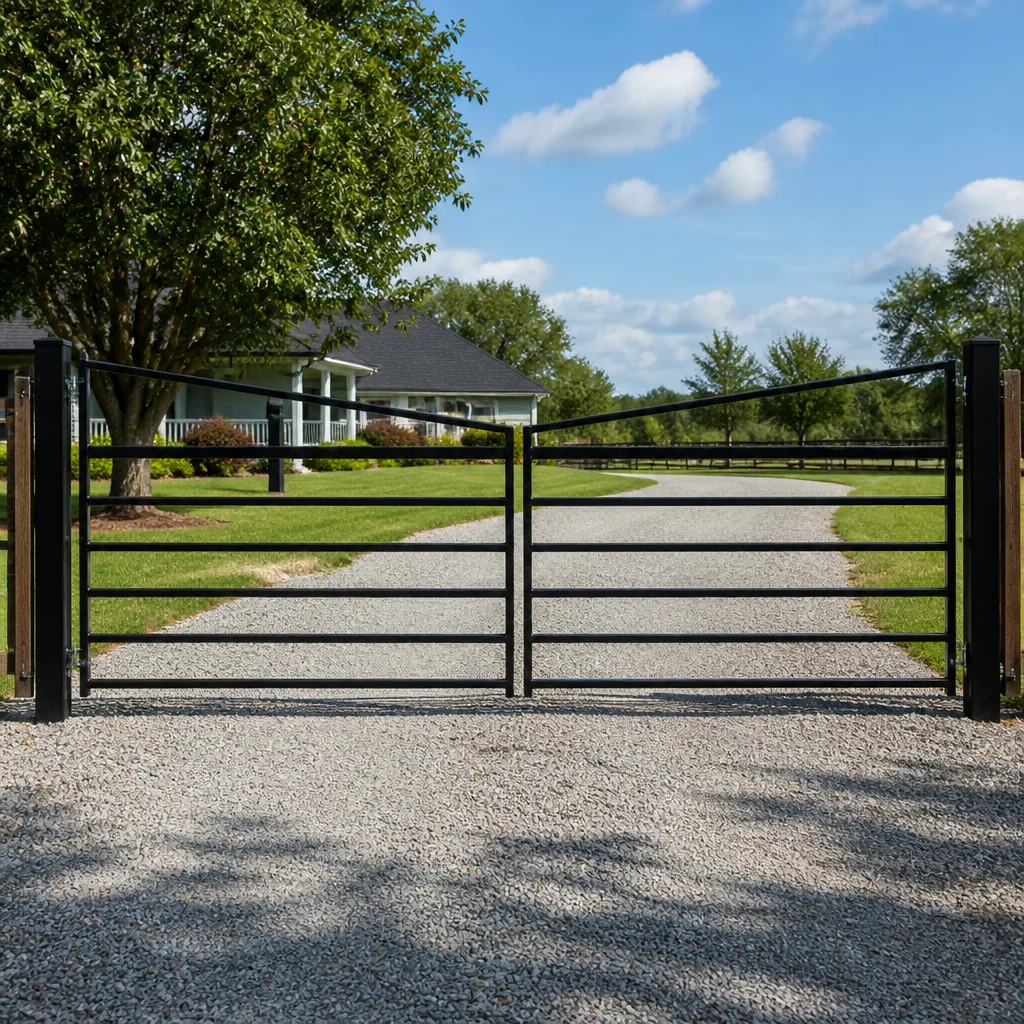 Farm & ranch
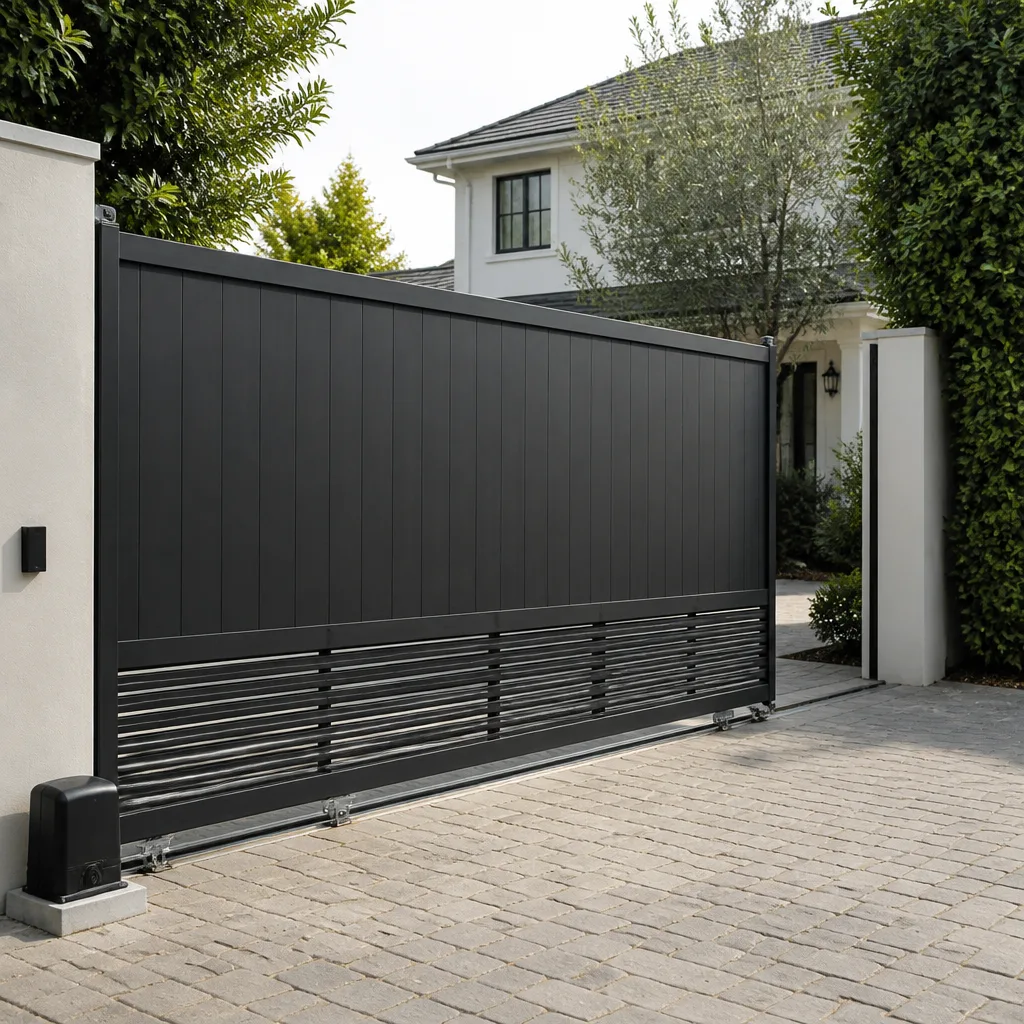 Sliding driveway gates
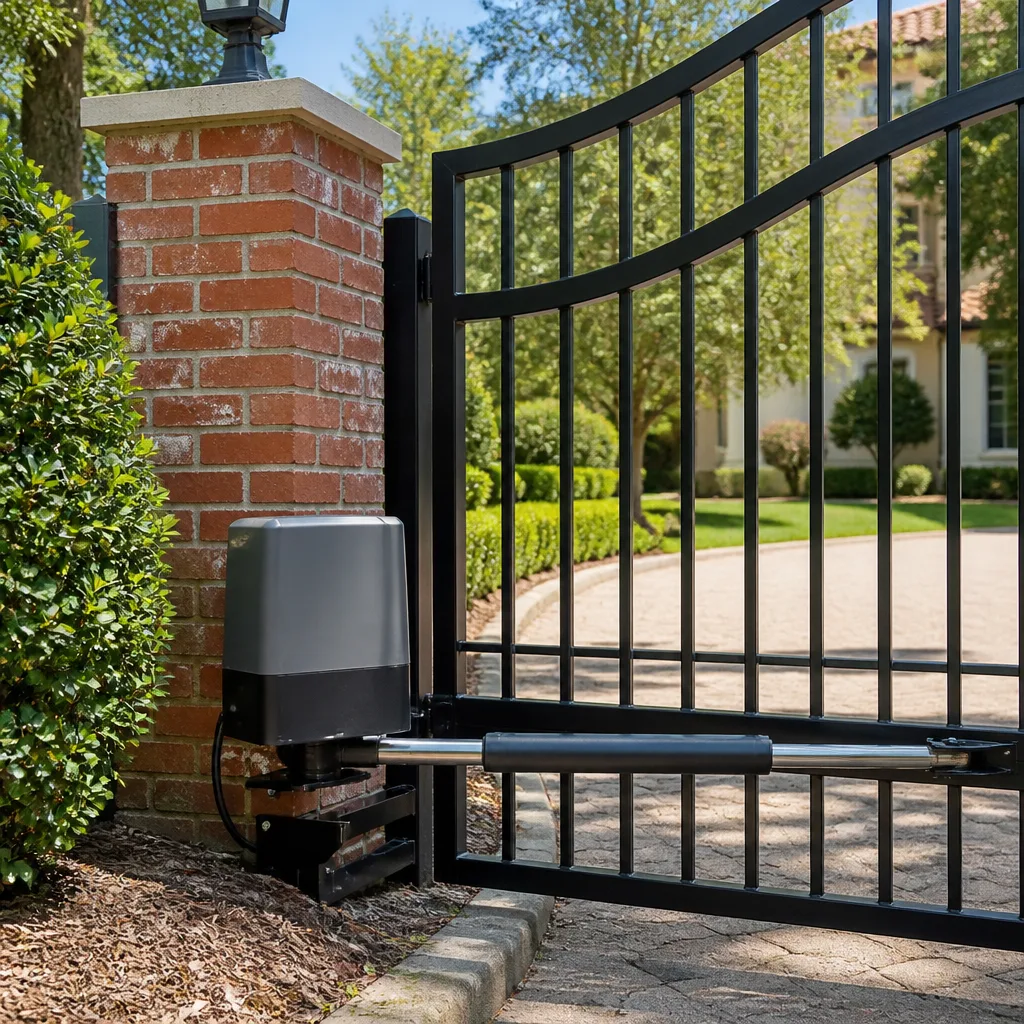 LiftMaster operators
Free on-site gate assessment - hinges, posts, and your LiftMaster or Nice gate operator checked before anything is quoted
The assessment is free and the quote is the invoice.
Get your free estimateGate Repair Maintenance Checklist for Vallejo Homeowners
Generic gate maintenance advice tells you to lubricate hinges twice a year. It doesn’t tell you that a standard spray lubricant can strip the protective coating off the galvanized hardware common on Vallejo gates, or that the clay-heavy soil under most local posts moves enough after a wet winter to throw a gate out of alignment without touching a single hinge. That’s the problem with borrowed checklists: they’re written for a climate and a soil type that isn’t yours. This guide is built the other way around, starting from what actually breaks here, from tidal humidity to the wind coming off the Carquinez Strait.
Styles & brands we work with
- Wrought iron
- Wood & steel frame
- Farm & ranch
- Sliding driveway gates
- LiftMaster operators
Quick Answer
A gate maintenance checklist for Vallejo homeowners should cover lubrication with a coating-safe product, post alignment checks after the rainy season, battery and sensor tests on electric operators, and a monthly walk-around backed by an annual hands-on inspection. The two things generic lists miss are clay soil movement and humidity-driven corrosion on hardware.
Table of Contents
- Why Generic Gate Checklists Fail in Vallejo
- The Right Lubricants for Vallejo Humidity
- Checking Gate Post Alignment After a Wet Winter
- Electric and Solar Gate Checks for Hillside Homes
- The Five-Minute Monthly Walk-Around vs. the Annual Inspection
- Documenting Gate Condition Over Time
- Common Mistakes to Avoid
- When to Call a Professional
- Frequently Asked Questions
Why Generic Gate Checklists Fail in Vallejo
Most gate maintenance checklists floating around online were written for a generic suburban climate. They assume stable soil, low humidity, and hardware that only sees rain a few times a year. None of that describes Vallejo. Gates here sit in air that carries moisture most of the year, on ground that expands and contracts with the seasons, in wind that pushes constantly off the strait. A checklist that ignores those three forces is a piece of paper, not a maintenance plan.
Here’s what changes when you write the list for this city. Galvanized and powder-coated hardware corrodes faster in steady humidity than in dry air, so lubrication stops being about smooth operation and starts being about protecting the coating. Posts set in clay-heavy soil shift more than posts in sandy or rocky ground, which means alignment checks matter more than hinge checks in the weeks after heavy rain. And a gate that faces the wind off the Carquinez Strait works harder every day than one tucked behind a windbreak, so wear on the operator and the hinges runs ahead of what a national checklist predicts.
We’re gate specialists, not generalists, and that focus shapes how we look at a gate. When we walk up to one in Vallejo, we’re reading the whole system: the ground it sits on, the air it lives in, the operator bolted to it. A checklist should teach a homeowner to read the same things. That’s the entire point of building one around local conditions instead of copying a template.
The other thing a local checklist does is sequence the work. Checking alignment before you lubricate tells you whether the gate is binding because the post moved or because the hinge dried out. Those are different fixes. A generic list throws everything at the gate at once and leaves you guessing which change actually helped.
The Right Lubricants for Vallejo Humidity
Use a lubricant that leaves a protective film, not one that cuts through it. In Vallejo’s humid air, the wrong product does more damage than no product at all, because it strips the coating that was keeping rust off the hardware in the first place.
The classic mistake is reaching for a general-purpose penetrating spray. Those products are built to loosen stuck bolts and displace water, and they do that well. What they don’t do is stay put. On galvanized hinges, latches, and track hardware, a thin solvent-based spray can lift the protective layer and leave bare metal exposed to exactly the moisture you were trying to keep off it. Within a season or two, hardware that looked fine starts showing surface rust at the pivot points.
What holds up better in this climate:
- A lithium or silicone-based grease on hinges, pivot points, and rollers. It stays where you put it and doesn’t evaporate off in a month.
- A dry-film or PTFE lubricant on sliding tracks and exposed mechanisms where you don’t want grit sticking to the surface.
- A coating-safe protectant on painted or powder-coated panels and on galvanized hardware, applied lightly and wiped down so dust doesn’t collect.
The application matters as much as the product. Wipe the hardware clean first. Grease applied over grit and old residue just traps both against the metal. A light coat beats a heavy one; excess grease collects dust, and dust mixed with moisture is what starts corrosion in the first place.
How often depends on the gate, not the calendar. A gate that faces the wind and gets daily use in Vallejo wants attention more often than one that opens a few times a week. Check the hardware every few months, look for dryness at the pivots, and reapply when the surface stops feeling slick rather than on a fixed schedule.
Checking Gate Post Alignment After a Wet Winter
Check post alignment within a few weeks of the last heavy rain, when clay soil has finished swelling and the ground is settling back. That’s when movement shows up most clearly in Vallejo, and it’s the check most homeowners skip entirely.
Clay-heavy soil expands when it holds water and contracts as it dries. A gate post set in that soil doesn’t move dramatically, but it doesn’t have to. A small shift at the base turns into a visible lean at the top of a tall post, and a gate that closed cleanly in autumn starts dragging or catching by spring. The symptom looks like a hinge problem. It’s usually a post problem.
Here’s the walk-through we’d suggest for checking alignment yourself:
- Open the gate fully and let it rest. Look down the hinge edge of the gate against the post. A consistent gap the whole way is what you want; a gap that narrows to nothing at one end means the post has leaned.
- Close the gate and check the latch. If the latch now needs a lift, a push, or a shove to catch, the geometry has changed. Note which direction it’s off.
- Stand back and sight along the post against a vertical reference such as a fence line or a wall. Any lean that wasn’t there before is worth writing down.
- Walk the gate through its full swing by hand. Binding at a specific point in the arc points to alignment; binding throughout points more toward hinges or hardware.
- Check the post base for cracks in the surrounding ground, soil pulled away from the post, or water pooling against it. All three tell you the soil has been moving.
If the post has moved, don’t compensate by adjusting the hinges. That fixes the symptom and leaves the gate working against a bad foundation until something else fails. Post alignment is a job for a technician with the right tools, and it’s worth doing properly the first time.
Electric and Solar Gate Checks for Hillside Homes
Test your operator’s battery and safety sensors on the same day each month. That single habit catches most of the failures that leave an electric gate stuck open, and it matters more on the solar-assisted systems common on Vallejo’s sunnier hillside neighborhoods.
Solar-assisted operators are a good fit for gates a long way from a power source, but they ask more of the homeowner. The panel charges a battery, the battery runs the operator, and everything downstream depends on that chain staying healthy. A battery that’s fading shows up first as slow or incomplete cycles rather than a dead gate. Catch it early and it’s a battery replacement. Miss it and you’re finding out on the morning the gate won’t open at all.
Run these checks monthly on any electric gate:
- Battery and charge indicator. Most operators from brands like LiftMaster, Elite, or Mighty Mule show charge status on the control board or a small indicator. If the panel looks dusty or shaded by new growth, clean it off and check again.
- Safety sensors and loops. Walk through the gate’s path while it’s closing. It should stop or reverse. If it doesn’t, stop using the operator and get it looked at.
- Manual release. Test the release so you know it works before you need it in a power outage. Follow the operator manual for your specific model.
- Remotes and keypad. Replace remote batteries on a schedule rather than waiting for a failure, and check the keypad catches every digit cleanly.
- Wiring at the operator. Look for loose connections, chewed insulation, or water getting into a junction box. Don’t open the operator housing or touch wiring yourself.
Electric gate work is where a general handyman usually stops. Operators, control boards, safety loops, and access hardware are a technical specialty, and getting them wrong is a safety issue as much as a repair issue. If your electric gate is acting up and the simple checks don’t explain it, that’s the point to bring in someone who works on these systems routinely.
The Five-Minute Monthly Walk-Around vs. the Annual Inspection
Split your gate maintenance into two tracks: a quick monthly visual check you can do yourself in about five minutes, and a deeper annual inspection that’s worth having a technician handle. Keeping them separate stops you from either neglecting the gate or overworking it.
The monthly walk-around is about noticing change. You’re not fixing anything, you’re looking for what’s different from last month. It takes five minutes and catches most problems while they’re still small:
- Open and close the gate by hand. Listen for new squeaks, grinding, or catches.
- Look at the hinges, latch, and hardware for rust spots or loose fasteners.
- Check the post for lean and the ground around it for cracks or pooling.
- On an electric gate, watch a full cycle and test the safety reverse.
- Clear debris from the track or the swing path, and check that vegetation hasn’t grown into the gate’s arc.
- Glance at the operator and solar panel for anything obviously wrong: damage, dirt, loose covers.
The annual hands-on inspection goes deeper. This is where a technician checks fastener torque, examines the operator’s internal components, tests the full safety system, looks at wiring and connections, and assesses whether the gate’s alignment has drifted over the year. It’s also where you get an honest read on whether a part is nearing the end of its life rather than waiting for it to fail.
In our experience, homeowners who keep up the monthly check get far more value out of the annual inspection, because they arrive with a list of small changes they’ve noticed. That list turns a routine visit into a real diagnosis.
Documenting Gate Condition Over Time
Keep a simple log of what you check and what you notice. A single failure tells a technician almost nothing on its own, but a pattern across a year tells them exactly where to look.
You don’t need anything elaborate. A note on your phone or a page in a notebook works. What matters is consistency. Record the date, what you checked, and anything that changed, even if it seems minor. A hinge that’s started squeaking, a latch that needs a nudge, a gate that swings a little harder than it used to. Those small notes become the map of how your gate is aging.
Here’s what’s worth logging:
- Date of each monthly check, and whether anything looked different.
- Alignment notes after wet weather, especially any change in the latch or the swing.
- Lubrication dates and products used, so you know what’s on the hardware and when it’s due again.
- Electric gate cycles and battery observations, including any slow or incomplete cycles.
- Repairs and part replacements, with the part and the date.
- Photos of the hardware, post base, and operator taken a few times a year from the same angle.
When a technician has that log, they can tell the difference between a gate that failed suddenly and one that’s been drifting for months. That changes the recommendation. It also means fewer surprises and fewer parts replaced that didn’t need replacing. For a homeowner in Vallejo dealing with seasonal soil movement and steady humidity, that history is the most useful tool in the whole checklist.
Common Mistakes to Avoid
- Using a general-purpose penetrating spray on galvanized hardware. It strips the protective coating and leaves bare metal exposed to humidity, which speeds up rust instead of preventing it. Use a coating-safe grease or dry-film lubricant instead.
- Skipping the post check after a wet winter. Clay soil in Vallejo moves with the seasons, and a leaning post shows up as a dragging gate. If you only adjust the hinges, you’re masking the real problem.
- Burying the operator under landscaping. Vegetation that grows into the gate’s swing path or blocks the solar panel causes binding and charging problems. Trim it back and keep the panel clear.
- Never testing the manual release or safety sensors. Both need to work before you need them. Test the release and the safety reverse on a regular schedule instead of discovering a failure during an outage.
- Adjusting hinges to fix an alignment problem. A gate that binds because the post moved won’t be fixed by hinge tweaks. That just moves the stress somewhere else and speeds up wear.
- Ignoring slow cycles on a solar-assisted gate. A fading battery shows up as sluggish operation long before it dies. Catching it early is a battery replacement; ignoring it usually means a gate that won’t open when you need it most.
- Opening the operator housing or touching wiring yourself. Electric gate operators carry high-tension components and mains wiring. A trained technician should handle anything inside the housing.
When to Call a Professional
Some gate problems are maintenance items. Others are jobs for a technician, and it’s worth knowing where the line is. Call a professional if your gate post has visibly moved or the gate no longer latches without help, if the operator won’t complete a cycle or the safety sensors fail to reverse the gate, if you see damaged wiring or a control board that’s acting erratically, or if a heavy gate panel is sagging or a sliding gate has come off its track. Heavy panels that can crush and slide gates that jump the track are both safety issues, not troubleshooting projects, and it’s worth having them looked at before someone gets hurt.
We work on the brand you already have. Whether your gate runs a LiftMaster operator, a FAAC system, or an Elite unit, electric gate repair covers operators, control boards, safety loops, and access hardware, and one call covers the full repair. Gate Repair Vallejo offers free estimates in Vallejo. Call (877) 315-2991. We answer 24/7, with fast dispatch from 7am to 7pm, Sunday through Friday.
If your gate is well past a repair, gate repair and new installation are handled by the same team, so there’s no gap between the company that installs and the company that fixes. Our technicians have experience working across mechanical and automated systems.
Frequently Asked Questions
Check the hardware every few months and reapply when the surface stops feeling slick, rather than on a fixed calendar. Check the hinges, latch, and pivot points, then apply a lithium or silicone-based grease in a light coat. Humidity in Vallejo means the goal is protecting the coating as much as keeping things moving, so a general-purpose penetrating spray isn’t the right product. Call (877) 315-2991 for an exact quote on a maintenance visit if you’d rather have it done properly.
Clay-heavy soil under the posts swells when it’s wet and contracts as it dries, and that moves the post enough to throw the gate out of alignment. The symptom looks like a hinge problem because the gate drags or the latch won’t catch, but the cause is usually the post. Check the latch and the swing by hand within a few weeks of the last heavy rain. If the gate has drifted, call (877) 315-2991 for an exact quote; estimates are free.
Yes. We service LiftMaster, FAAC, BFT, Linear, Viking, Ghost Controls, DoorKing, Elite, and Mighty Mule systems, so technicians work on the operator already installed rather than pushing a brand they sell. Electrical work on operators, control boards, and gates still carries genuine risk from mains wiring, so this is not a DIY job. Call (877) 315-2991 for an exact quote.
Test the battery indicator, the safety sensors, and the manual release on the same day each month. Watch a full cycle and note any slow or incomplete movement, which is usually the first sign a battery is fading. Also confirm the solar panel isn’t shaded by new growth. If the operator won’t complete a clean cycle, call (877) 315-2991 for an exact quote.
No for both, given the risks involved. A leaning post needs proper footing and resetting, and gate operators carry high-tension components and mains wiring that can cause serious injury. Limit yourself to visual checks and the manual release, and bring in a trained technician for anything structural or electrical. Call (877) 315-2991 for an exact quote; estimates are free.
The monthly check is a five-minute visual pass you do yourself to spot change, and the annual inspection is a hands-on assessment a technician performs. The monthly check looks at alignment, hardware, debris, and a test cycle. The annual inspection covers fastener torque, operator internals, and the full safety system, and it’s where trends over the year get read properly. Call (877) 315-2991 to book a free estimate in Vallejo.
The Bottom Line
A gate maintenance checklist only works if it matches the ground and the air around your gate. For Vallejo, that means a coating-safe grease instead of a penetrating spray, an alignment check within weeks of the last heavy rain, monthly battery and sensor tests on electric and solar operators, and a simple log that turns scattered observations into a history. Split your effort: five minutes monthly, a proper inspection once a year. Keep the doors open to a real technician for posts, wiring, and anything that involves a heavy panel. That combination catches the failures this climate actually produces.
Call (877) 315-2991 for a free estimate. We answer 24/7, with fast dispatch from 7am to 7pm, Sunday through Friday. From worn hinges to failed control boards, one call covers the full repair at Gate Repair Vallejo.
Written by the team at Gate Repair Vallejo.
See the difference
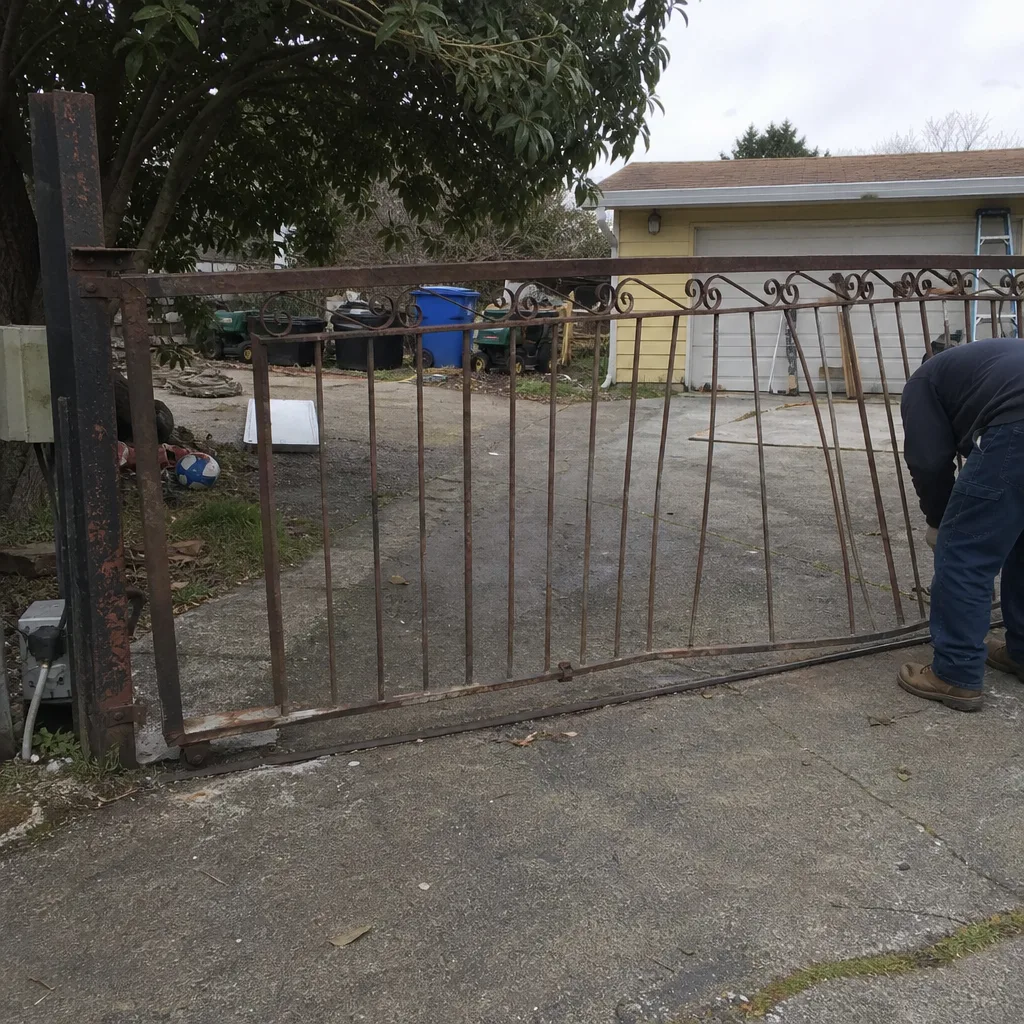 Before
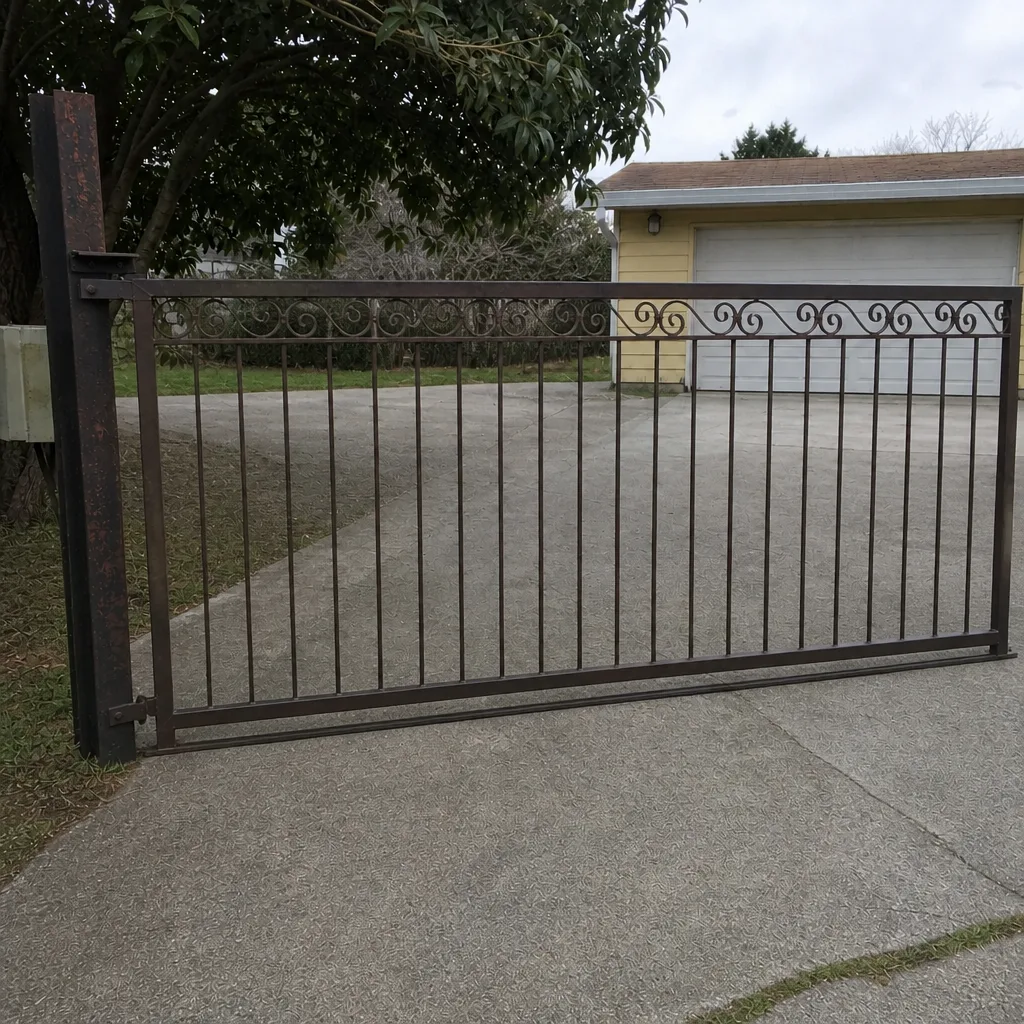 After
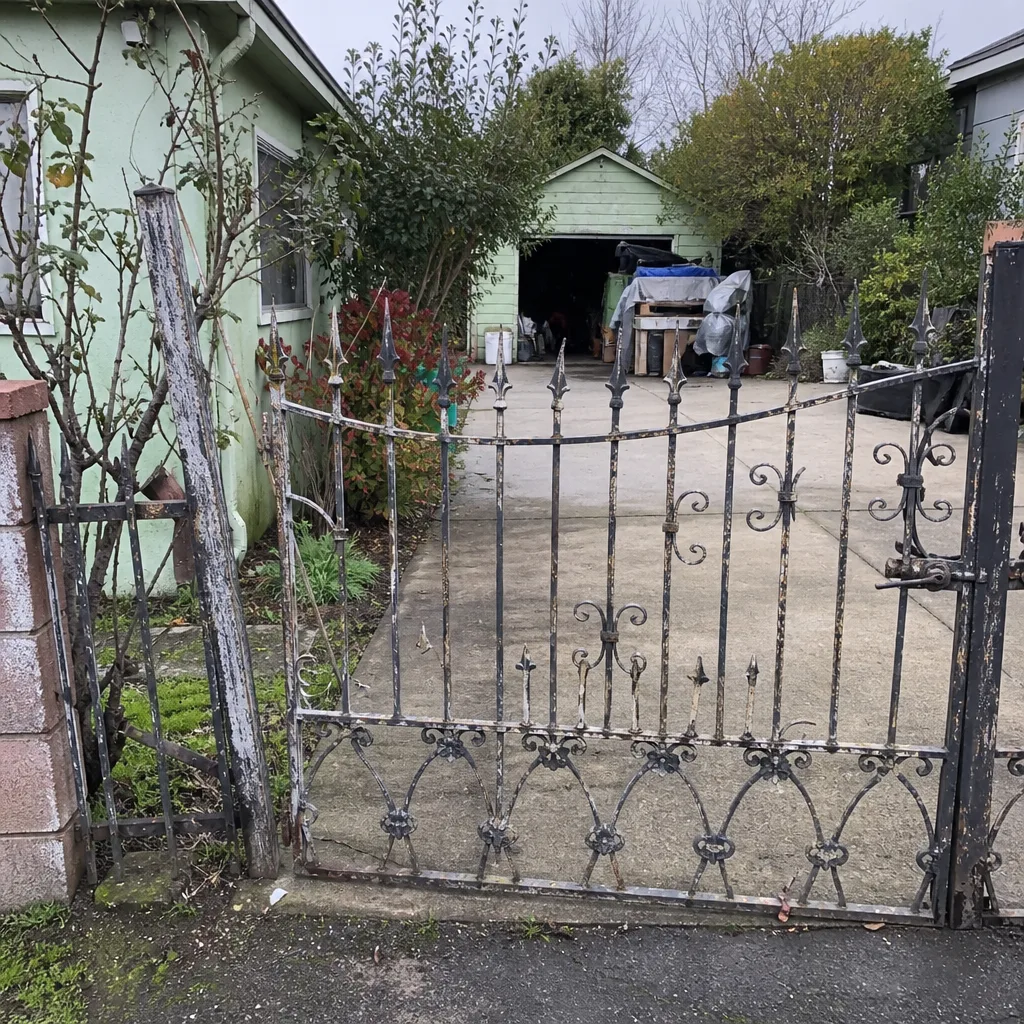 Before
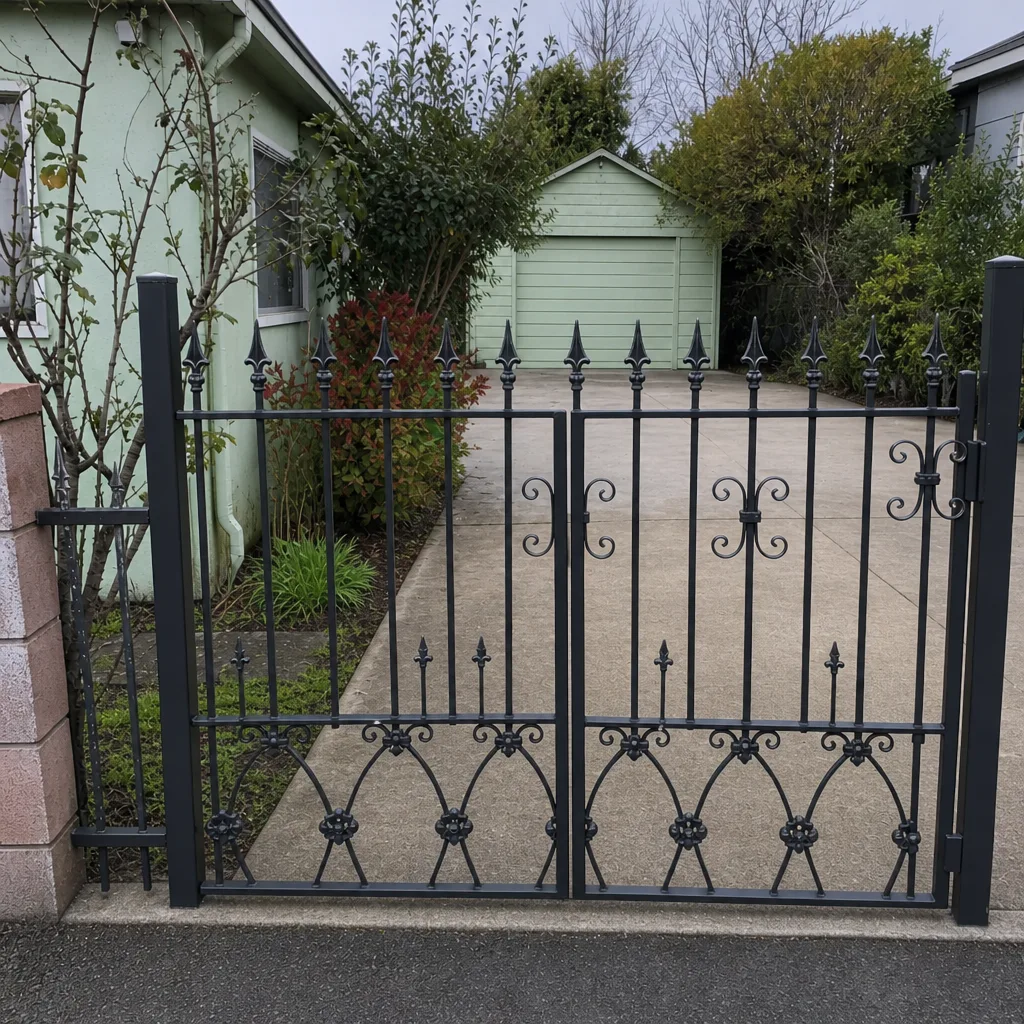 After
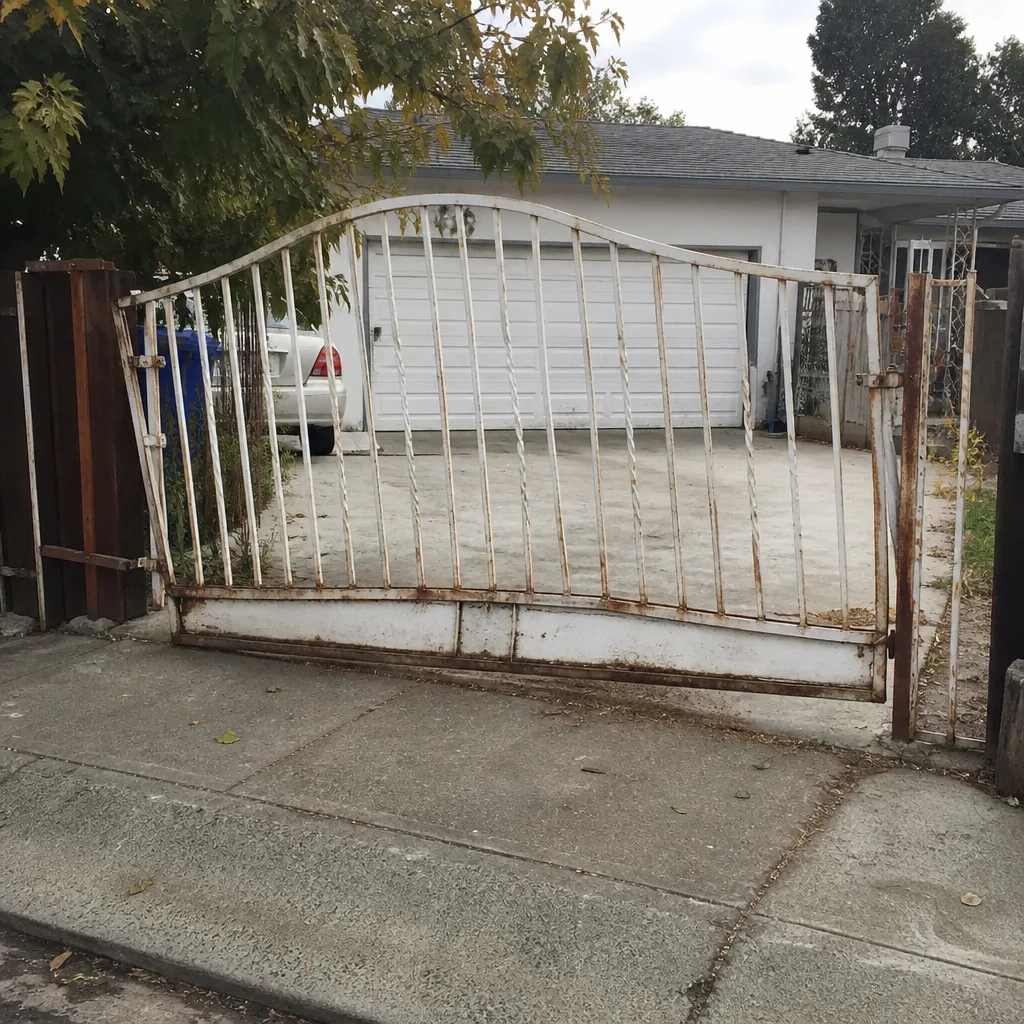 Before
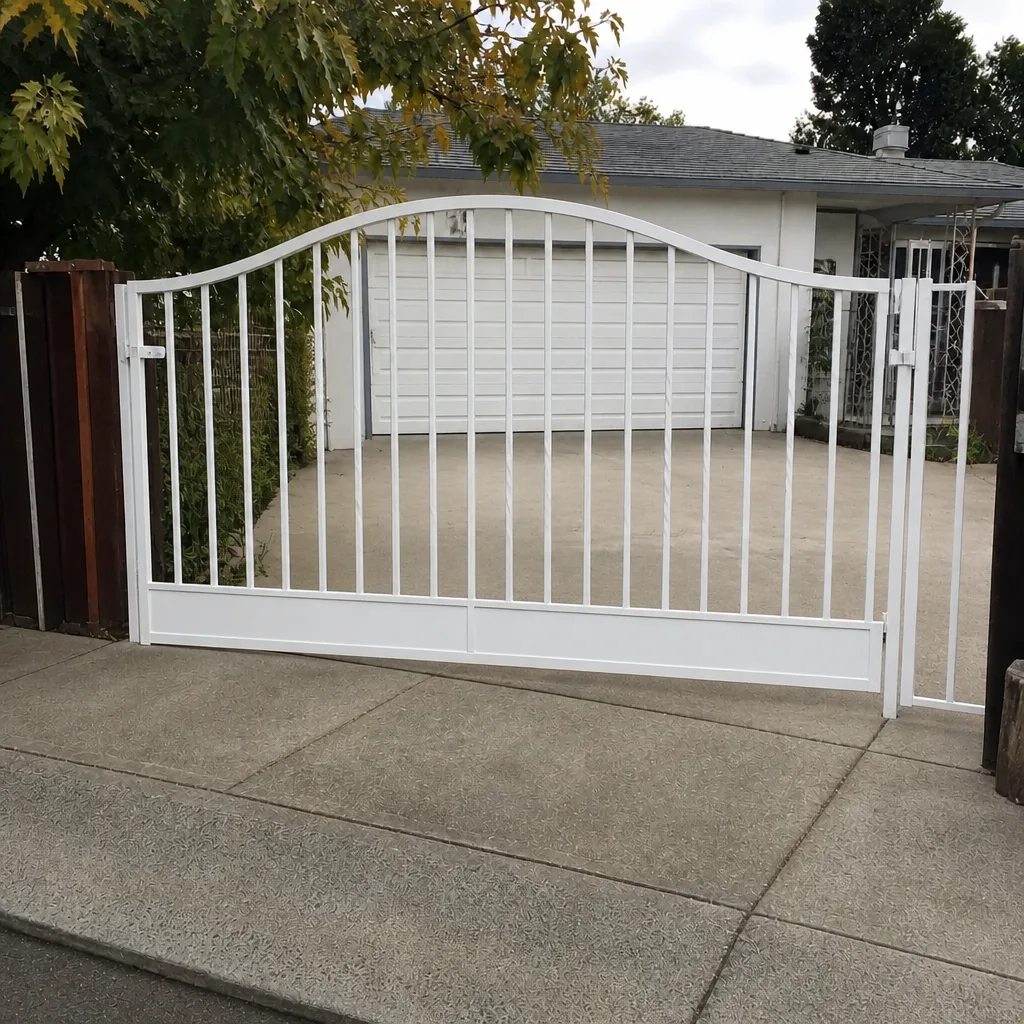 After